Skip to content
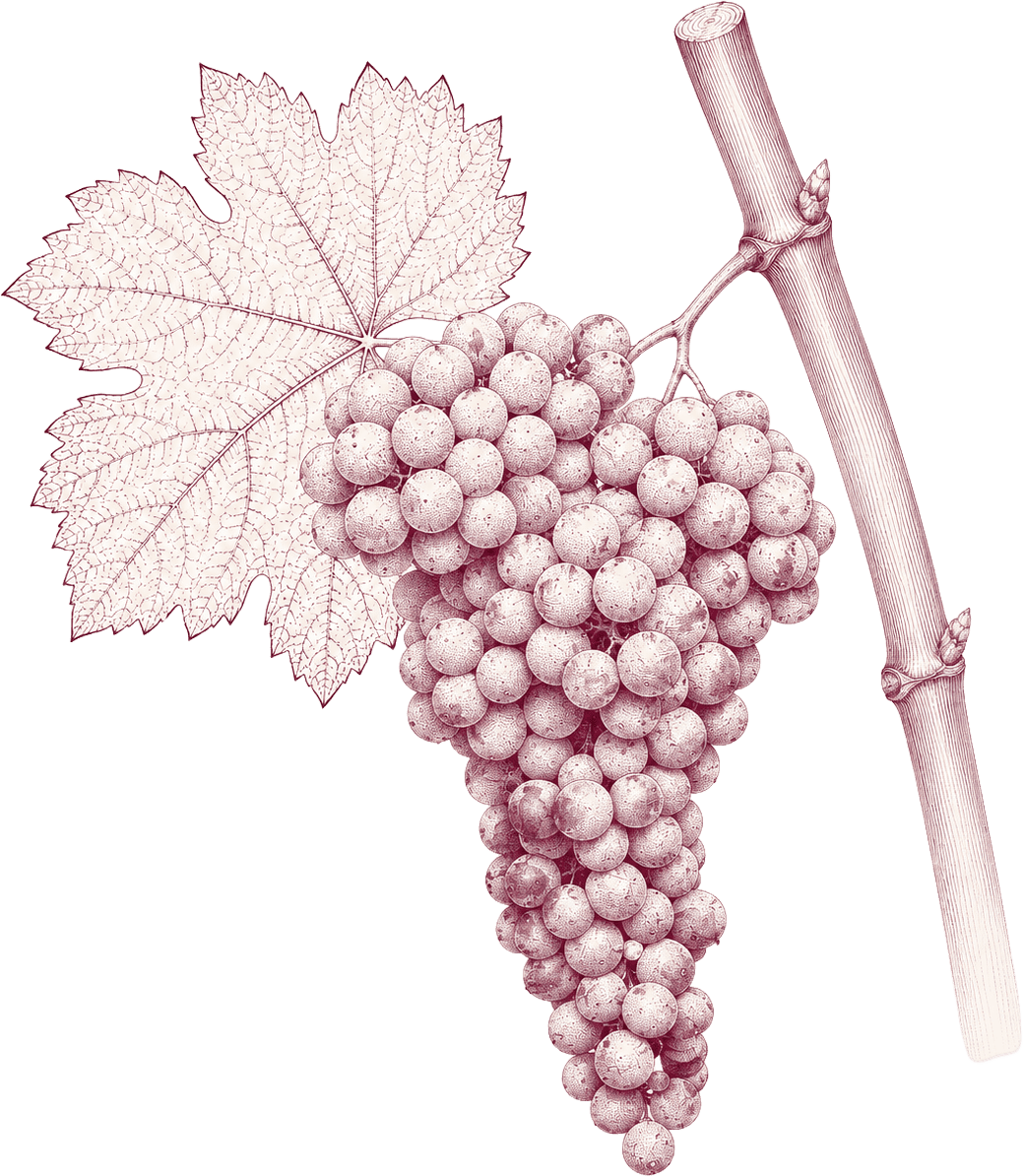
Illustration of Merlot

Black grapeVitis vinifera

Merlot

Softer and rounder than Cabernet Sauvignon: plum, chocolate, and real ability to age when it's farmed with care.

Last edited September 17, 2026

§I

Overview

Merlot has an image problem it doesn't really deserve. Softer and more approachable than Cabernet Sauvignon, it's been typecast as the easy, unserious choice, thanks in no small part to one memorable insult in a 2004 movie. Look past that and Merlot is the grape behind some of the most expensive wine on the planet, the backbone of Pomerol, where it can age for decades and command prices that rival anything in Bordeaux. Plum and cherry instead of blackcurrant and iron. Rounder tannin, earlier ripening, wider appeal. It's not lesser. It's just different.

“Lorem ipsum dolor sit amet”

— John Doe
§II

Origins

Merlot comes from Bordeaux's Right Bank, and it's genetically a sibling of Cabernet Sauvignon: both share the same father, Cabernet Franc. Merlot's other parent is an obscure, nearly extinct grape called Magdeleine Noire des Charentes, a connection only confirmed by DNA analysis in 2009.

Its name is generally traced to the French merle, meaning blackbird, though nobody's entirely sure why: maybe because blackbirds are fond of eating the grapes, maybe because of the fruit's own dark colour. The first written mention of the grape dates to 1784, when a Bordeaux official praised it as one of the finest wines of the time.

The mid-20th century wasn't kind to it. A severe frost in February 1956 destroyed huge numbers of Merlot vines across France, and the replanting that followed was repeatedly hit by rot, bad enough that the French government banned new Merlot plantings outright in 1970. The ban has long since lifted, and Merlot rebuilt itself into France's single most planted grape.

§III

Where it's grown

Chart

Grape vineyard area by country

  • France116.523 ha
  • Italy26.360 ha
  • United States18.003 ha
  • Spain11.745 ha
  • Romania11.012 ha
  • Chili10.652 ha
  • Bulgaria9346 ha
  • Australia8108 ha
  • Moldova7689 ha
  • China6680 ha
  • South Africa5184 ha
  • Argentina4703 ha
  • Other21.773 ha
  • Pomerol, France - Merlot's greatest expression, grown on iron-rich blue clay that gives the wines real tannic backbone; this is where the grape proves it can be serious rather than just approachable,

  • Saint-Émilion, France - Vlay-limestone soils produce blends around 60% Merlot, usually paired with Cabernet Franc rather than Cabernet Sauvignon,

  • Napa Valley, United States - Grown both as a blending grape and, less commonly now than in the 1990s, as a standalone varietal wine,

  • Washington State, United States - One of the most widely planted red grapes in the Columbia Valley, the state's dominant wine region,

  • Italy, Chile, Argentina, and Australia - Each with meaningful plantings, though none has built the singular reputation Pomerol has,

§IV

In the vineyard

Merlot buds and ripens roughly two weeks earlier than Cabernet Sauvignon, which makes it better suited to cooler sites and gives growers a useful buffer in difficult, marginal vintages. Its skin is thinner than Cabernet Sauvignon's, the direct cause of its softer tannin and generally lighter structure. It thrives across a wide range of climates but shows a particular affinity for clay-rich soils that hold moisture and moderate vine stress, exactly the conditions found on Pomerol's best sites.

§V

Winemaking

In Bordeaux, Merlot is almost always blended, typically with Cabernet Franc in Saint-Émilion or with a touch of Cabernet Sauvignon in Pomerol, contributing fruit and softness to structure supplied elsewhere. New World producers, especially in California and Washington, are more likely to bottle it on its own, using oak aging to add weight to a grape that can otherwise read as simple if handled without care. Because its tannin is naturally gentler than Cabernet Sauvignon's, Merlot is more forgiving to make well, and also more prone to tasting thin or characterless in inexpensive, high-volume examples.

§VI

Tasting profile

  • Illustration of Black Cherries
    Black Cherries
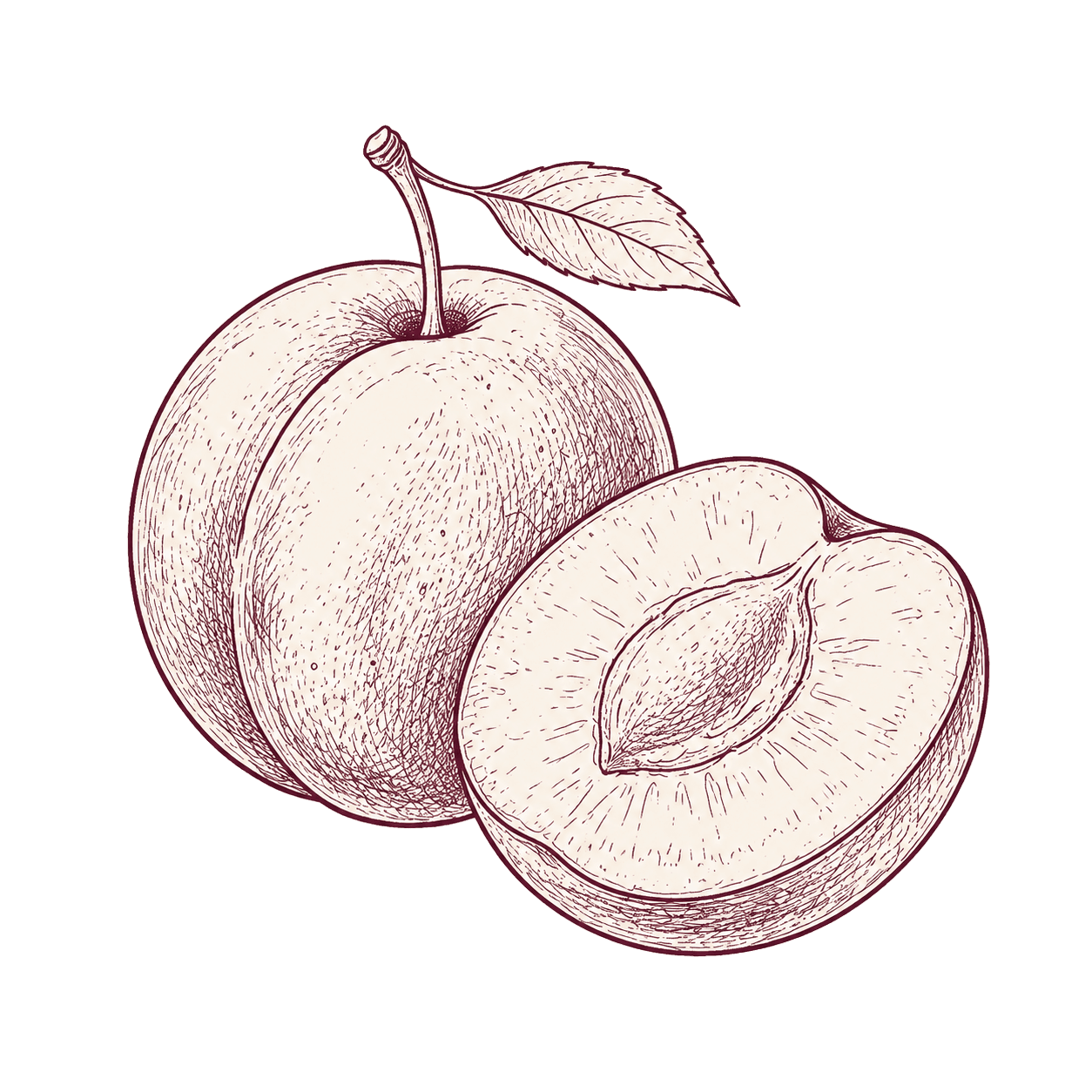
  • Illustration of Plum
    Plum
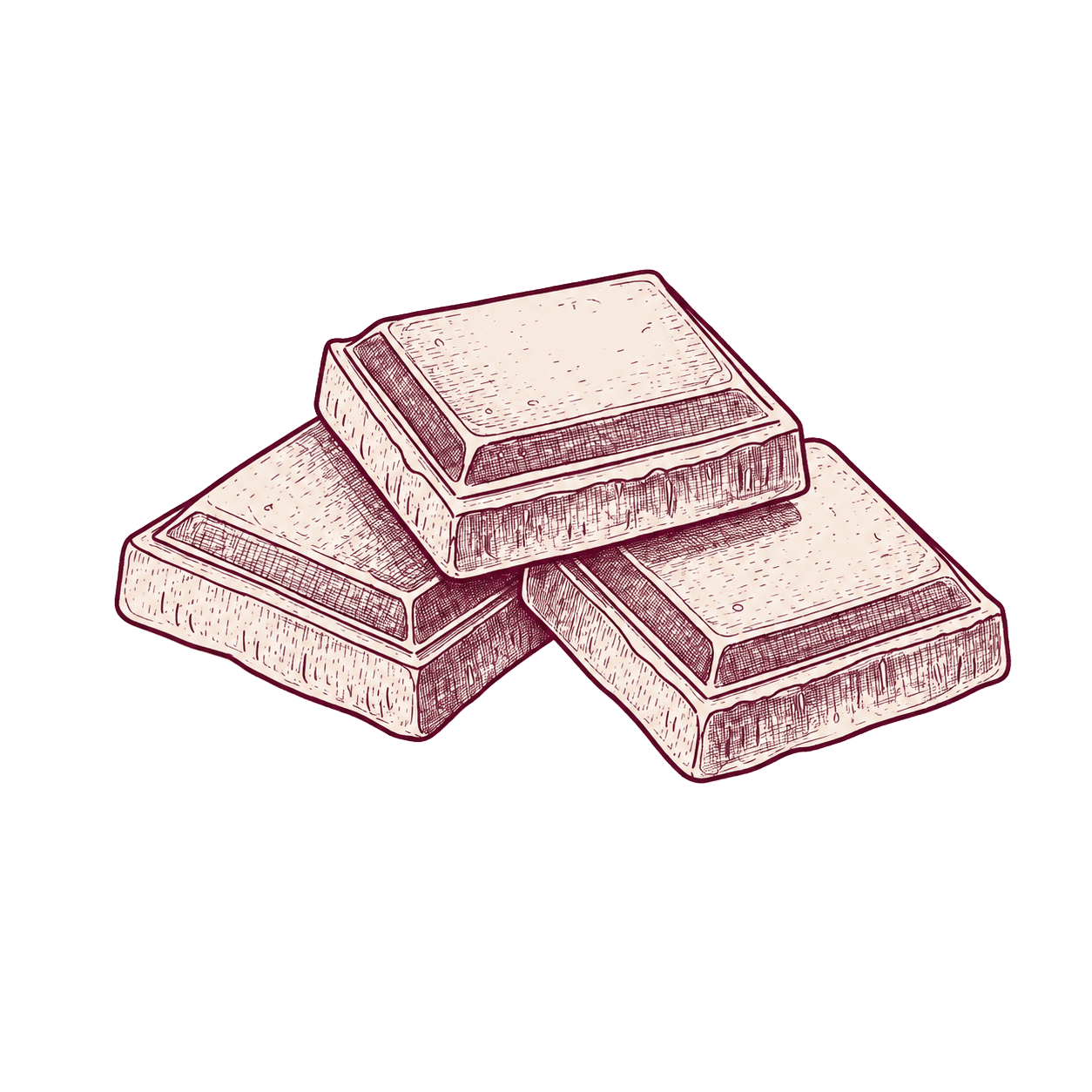
  • Illustration of Chocolate
    Chocolate
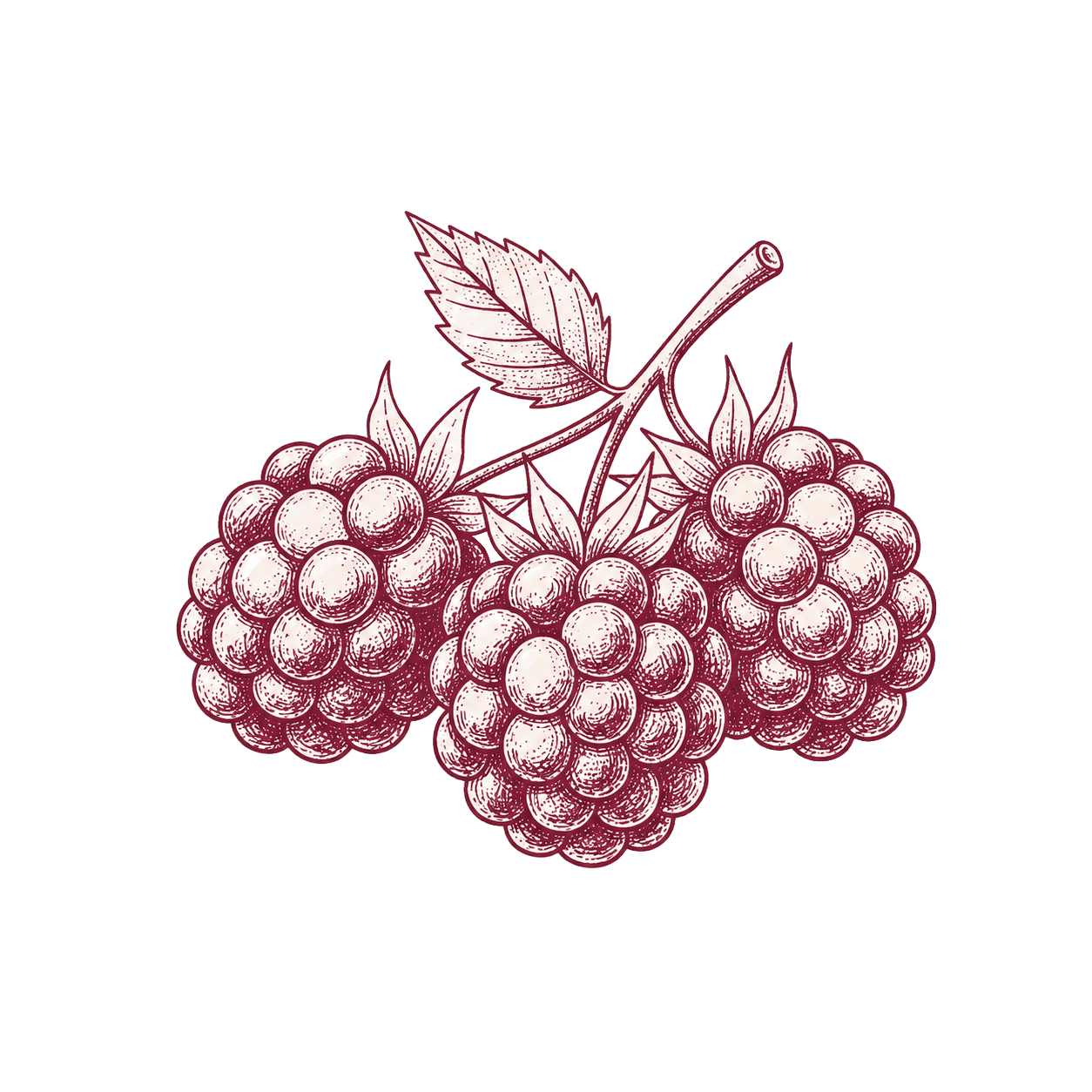
  • Illustration of Blackberries
    Blackberries

Plum is the grape's primary fruit character, darker and softer than Cabernet Sauvignon's blackcurrant. Black cherry reinforces that same rounder, riper fruit profile. Chocolate is a secondary note from oak aging, common in riper New World styles. Bay leaf is a herbal note related to the same green pepper family found in Cabernet Sauvignon and Cabernet Franc, usually more subtle here.

On the palate, expect medium to full body and softer, rounder tannin than Cabernet Sauvignon, the direct result of that thinner skin. Acidity sits at medium, and sweetness is dry throughout. Merlot is generally approachable younger than Cabernet Sauvignon, though Pomerol's top examples reward the same patience a great Bordeaux Left Bank wine does.

§VII

Notable producers

  • Pétrus (Pomerol, France)
    Effectively 100% Merlot, grown on Pomerol's iron-rich blue clay, and one of the most expensive wines in the world despite carrying no official Bordeaux classification. The clearest proof that Merlot can be as serious, and as age-worthy, as anything from the Left Bank.

  • Château Le Pin (Pomerol, France)
    A tiny, cult-status Pomerol estate, founded in 1979, that helped prove a small, obsessively farmed Merlot vineyard could rival Bordeaux's grandest names. Production is minuscule even by Pomerol standards.

  • Duckhorn Vineyards (Napa Valley, United States)
    Founded in 1976 specifically around Merlot at a time when California mostly treated it as a blending grape. One of the producers most responsible for establishing Merlot as a serious varietal wine in the New World.

§VIII

Food pairing

Softer tannin and rounder fruit make Merlot one of the more food-flexible reds, comfortable with dishes that would fight a more tannic wine.

  • Roast lamb or duck - Enough richness to match the wine's body without the tannin clash a leaner cut of meat might cause.

  • Mushroom risotto - Earthy, umami flavours echo the grape's own darker fruit and secondary notes.

  • Soft, mild cheeses - Merlot's gentler tannin means it doesn't need an aggressively aged cheese to find balance.

  • Grilled vegetables - A lighter option that still has enough weight to stand up to the wine's body.