Ga naar inhoud
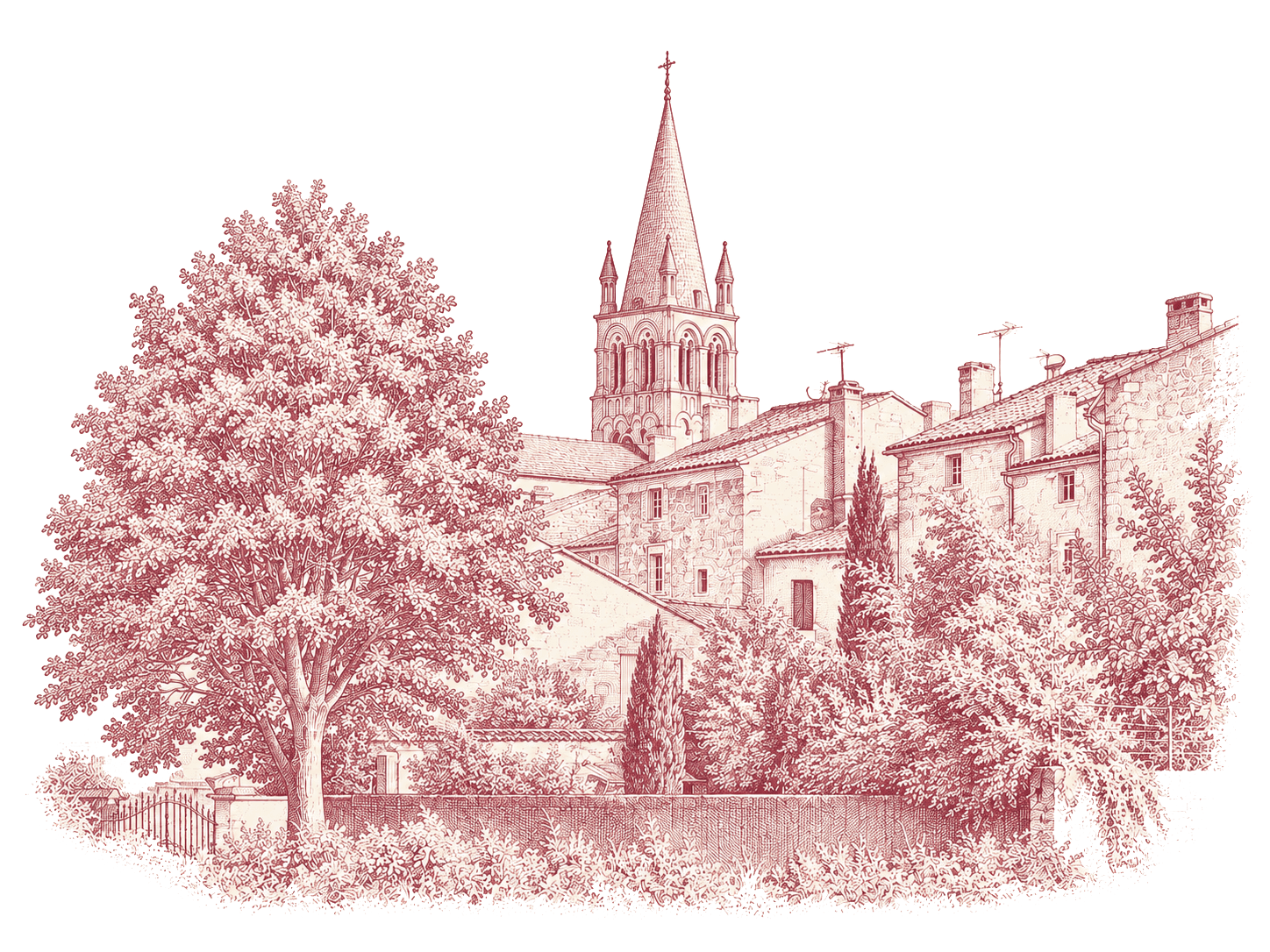
Illustratie van Saint-Estèphe

Appellatie

Saint-Estèphe

Saint-Estèphe skipped the 1855 spotlight and still ages longer than almost anything else in Bordeaux.

Laatst bewerkt op 18 september 2026

§I

Overview

Saint-Estèphe is the northernmost of the Médoc's four great communal appellations, and the one the 1855 classification treated least generously: just five châteaux made the list, fewer than any of its neighbors. That undersell hasn't held the appellation back. Cos d'Estournel and Montrose are now routinely ranked among Bordeaux's best "Super Seconds," and Saint-Estèphe as a whole has built a reputation for structured, long-aging wine that owes more to clay-heavy soil than to classification pedigree.

§II

Location

Saint-Estèphe sits at the northern edge of the Médoc's classified communes, separated from Pauillac to its south by nothing more than a small stream. It's the largest of the Médoc's four great communal appellations by vineyard area, and the furthest from Bordeaux itself, a distance that historically meant brokers reached its estates last, by horseback, and priced them accordingly.

Producenten1

§III

History

Vines have grown here since Roman times, and the wine trade expanded through the Middle Ages as English merchants came to Bordeaux's port to buy. Saint-Estèphe's estates were still comparatively remote when the 1855 classification was drawn up, and the ranking reflected it: only five châteaux made the cut, against eighteen in Pauillac and twenty-one in Margaux. The commune didn't become a formal AOC until 1936, decades after its reputation for rustic, powerful wine was already set.

§IV

Classification

Five 1855 Classified Growths sit within Saint-Estèphe, the fewest of any major Médoc appellation: Cos d'Estournel and Montrose (both Second Growths), Calon-Ségur (Third), Lafon-Rochet (Fourth), and Cos Labory (Fifth). Cos d'Estournel and Montrose have long outgrown their official rank in practice, commanding prices closer to a First Growth than a Second. Beneath the five classified estates sits an unusually deep bench of Cru Bourgeois and Cru Artisans producers, giving Saint-Estèphe more range at the everyday-drinking end than its classification numbers suggest.

§V

Terroir

The gravel that defines the rest of the Médoc is still here, but Saint-Estèphe carries more clay than its southern neighbors, and that difference shapes everything about the wine. Clay holds water and cools more slowly than gravel, delaying ripening and keeping the appellation's wines firmer and more structured, especially useful in hot vintages where neighboring communes can overripen. The same clay content pushes Merlot plantings higher here than almost anywhere else in the Médoc, since Merlot handles cooler, damper soil better than Cabernet Sauvignon does.

§VI

Rules

Saint-Estèphe is Cabernet Sauvignon country, but with more Merlot in the mix than its Médoc neighbors typically allow.

  • Cabernet Sauvignon contributes structure, tannin, and the backbone behind the appellation's aging reputation.

  • Merlot softens that structure with riper fruit, planted at roughly 43% of the appellation, an unusually high share for the Cabernet-dominated Médoc.

  • Cabernet Franc, Petit Verdot, Malbec, and Carménère round out blends in small amounts, adding spice or color depending on the estate.

Yields are capped at 57 hl/ha, with a minimum natural alcohol of 11%, rules shared across the wider Haut-Médoc. Harvest and blending decisions vary estate to estate, but the clay-heavy soil means growers are managing tannin ripeness as much as sugar.

§VII

Wine style

Saint-Estèphe has a reputation for rusticity that's aged out of date at the top end. Cos d'Estournel leans toward the modern, polished side of the appellation; Montrose holds closer to old-school power and tannin, and the two have been compared against each other for decades. Calon-Ségur, historically the most traditional of the three, has sharpened noticeably since 2012 and now competes with both. Across the appellation, expect firm tannin, dark fruit, and wines built to reward a decade or more in the cellar over wines meant to drink young.

§VIII

Benchmarks

Château Cos d'Estournel — A 91-hectare estate known for its distinctive pagoda-topped cellars and a style widely considered the most modern and polished in the appellation. One of Saint-Estèphe's two "Super Second" wines, often priced closer to a First Growth than its 1855 rank suggests.

Château Montrose — A 95-hectare estate separated from Pauillac by little more than a stream, and Cos d'Estournel's long-running rival for the title of Saint-Estèphe's best wine. Built on old-school power and structure, with an aging potential that rewards real patience.

Château Calon-Ségur — The northernmost classified growth in the Médoc, farming 55 hectares of gravelly soil and instantly recognizable for the heart on its label. Long considered the appellation's most traditional wine, it's undergone a genuine quality renaissance since 2012.

Château Phélan Ségur — An unclassified estate that consistently outperforms its rank, and a reliable way into Saint-Estèphe's style without paying classified-growth prices. Representative of the strong Cru Bourgeois tier sitting just beneath the appellation's five classified names.