Ga naar inhoud
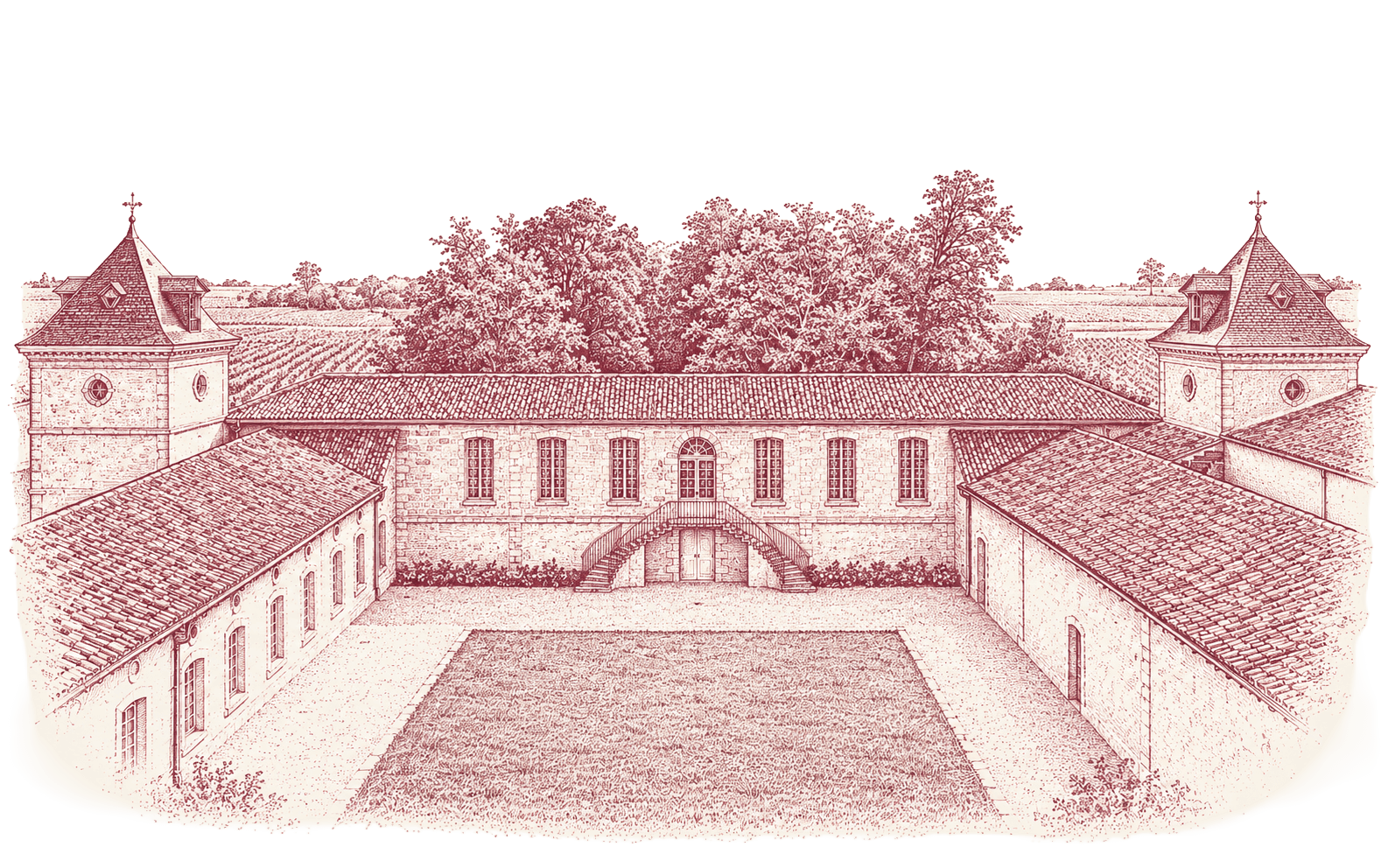
Illustratie van Château Laffitte Carcasset

ProducentFrance

Château Laffitte Carcasset

A Saint-Estèphe Cru Bourgeois Supérieur since 1932, reborn under new ownership since 2016.

  • Saint-Estèphe, Bordeaux
  • Open voor bezoekers

Laatst bewerkt op 18 september 2026

§I

Overview

Château Laffitte Carcasset sits in the heart of Saint-Estèphe, ringed by some of the appellation's Classified Growths, and has spent nearly three centuries making the case that a Cru Bourgeois can hold its own in that company. It's been ranked Cru Bourgeois Supérieur since the classification's first list in 1932, and since Pierre Rousseau bought the estate in 2016, it's gone through a serious modernization, new cellars, HVE 3 certification, and consulting from Hubert de Boüard de Laforest, the winemaker behind Château Angélus.

§II

Location

The estate sits on the gravelly plateau at the heart of the Saint-Estèphe appellation, on Bordeaux's Left Bank, between the Gironde estuary and the Atlantic. Its position surrounds it with some of the commune's best-known Classified Growths, gravel-over-clay-limestone terrain that Saint-Estèphe is known for, and that tends to favor structured, long-aging Cabernet Sauvignon-based wines.

§III

History

The vineyard dates to 1759, established at a spot known locally as "Le Carcasset," and already appears on Cassini's 18th-century maps of the region. In 1781, Jean Laffitte, a court lawyer and prosecutor for King Louis XVI in Bordeaux, acquired the property and gave it his name. Ownership passed through several families over the following century and a half.

In 1918, wine merchant Paul Vitrant bought the estate, then just 17 hectares under vine, and renamed it Château Laffitte-Saint-Estèphe. He began using the Laffitte name across a range of other wines he sold, a move that provoked a lawsuit from Château Lafite-Rothschild. In 1925, a Bordeaux court banned Vitrant from using the Laffitte name commercially, a ruling upheld on appeal in 1927, and the estate was renamed Château Laffitte-Carcasset as a result. In 1932, the property entered the first-ever Cru Bourgeois classification, ranked Cru Bourgeois Supérieur. After changing hands several more times through the 20th century, Pierre Rousseau, head of the Rapido group (maker of Westfalia camper vans), bought the estate in 2016 and began a significant renovation of the vineyard and cellars.

§IV

Vineyards

The vineyard covers 35 hectares, planted to a blend of roughly 60% Cabernet Sauvignon, 35% Merlot, and 5% Cabernet Franc, though the exact split moves a few points from vintage to vintage. Soils are gravel over a clay-limestone subsoil, classic Saint-Estèphe terrain that favors Cabernet Sauvignon's structure and aging potential. A dry white wine, the estate's first, is planned starting with the 2023 vintage, a first for the property.

§V

Sustainability

Château Laffitte Carcasset earned High Environmental Value (HVE) Level 3 certification in 2020, the same year the estate's historic cellar was restored and a second building added to house 450 barrels, tying the estate's environmental commitments directly to its broader modernization under Pierre Rousseau.

§VI

Winemaking

Harvest combines manual and mechanical picking depending on the plot, with fruit fermented and then aged in oak barrels for 12 to 14 months, roughly 45% of them new. Over the past decade the estate has also introduced clay amphorae into part of its aging program, making up around 5% of the final blend, a technique aimed at adding freshness and brightness without additional oak influence.

§VII

Portfolio

Alongside the grand vin, the estate makes two additional cuvées from the same vineyard, including one named for its 18th-century founder.

The grand vin, powerful and well-structured with real ageing potential, typically 15 to 20 years. Black fruit, red plum, and cedar, with firm tannins typical of classic Saint-Estèphe.

§VIII

Recognition

Cru Bourgeois Supérieur since the very first classification in 1932, one of the longest-standing entries on that list, and a consistent reference point in Saint-Estèphe despite sitting a tier below the appellation's five Classified Growths. Recent vintages, guided by Hubert de Boüard's consulting since 2016, have drawn increasing critical attention, part of a broader upward trajectory since the Rousseau family's purchase.

§IX

Visiting

Château Laffitte Carcasset welcomes visitors from mid-March to mid-October, Monday through Saturday, 9 a.m. to 12:30 p.m. and 1:30 to 5:30 p.m., closed Sundays. Groups of 15 to 40 people can be accommodated, and visits can be arranged through the official website. The estate sits at the heart of Saint-Estèphe, surrounded by the appellation's Classified Growths, making it an easy stop on a wider tour of the commune.