Ga naar inhoud
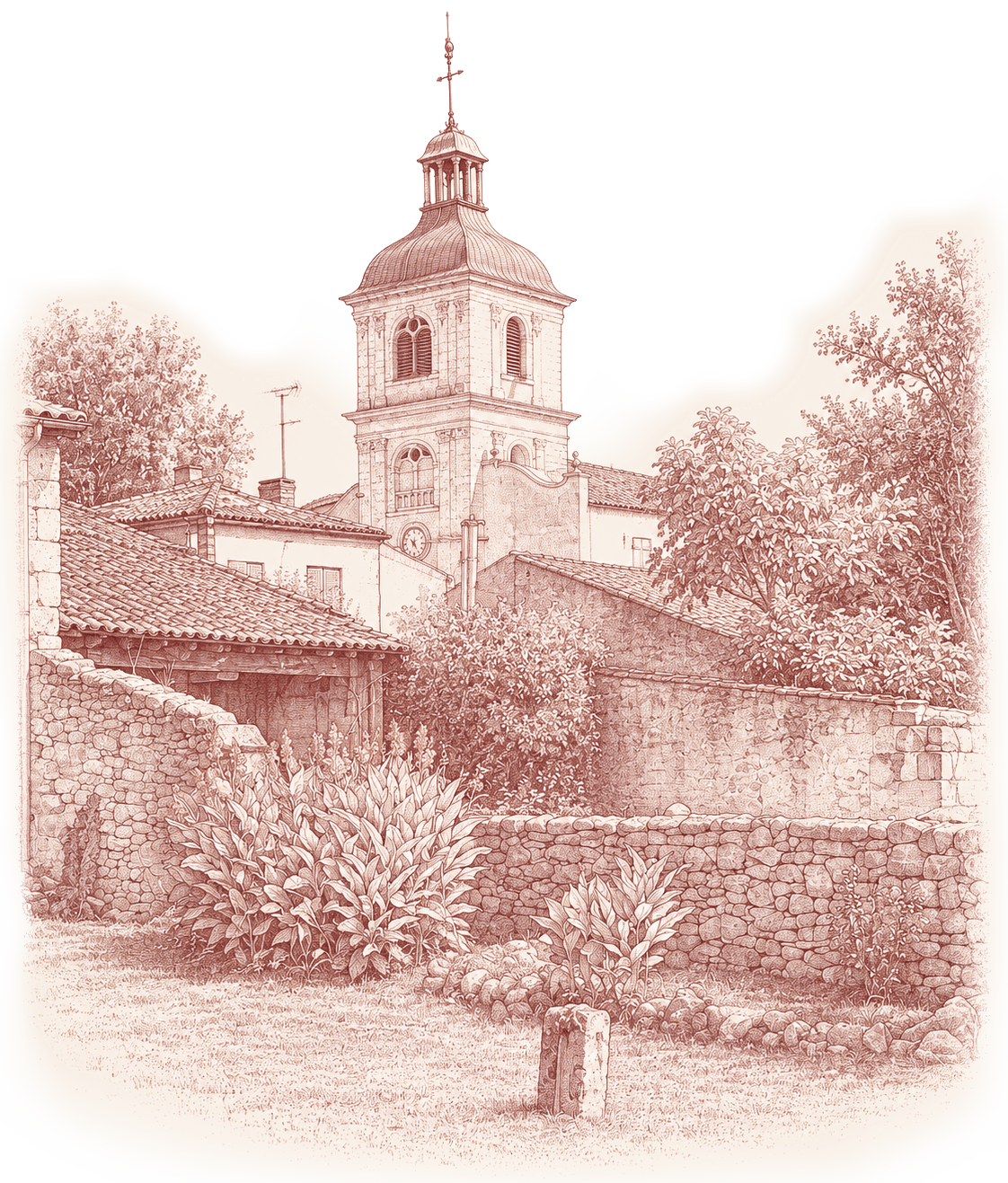
Illustratie van Barsac

Appellatie

Barsac

Barsac makes lighter, brighter Sauternes, and it's the only village allowed to say so on the label.

Laatst bewerkt op 17 september 2026

§I

Overview

Barsac is the largest of Sauternes' five communes and the only one with a genuine choice: its wines can be labeled Barsac AOC or Sauternes AOC, whichever the producer prefers. The rules behind both names are identical, but the wine underneath isn't quite the same. Barsac sits on a bed of limestone that Sauternes proper doesn't have, and it shows in the glass as something lighter and more precise than the rest of the appellation's reputation for opulence suggests.

§II

Location

Barsac sits just north of the Ciron, on gently rolling hills between roughly 15 and 60 meters in elevation, at the edge of the same Sauternes zone that shares the river junction responsible for the region's noble rot. It's the largest of the five communes that make up Sauternes by vineyard area, though far smaller than Sauternes itself in reputation.

Producenten5

§III

History

Barsac was already a commercial river port in the Middle Ages, exporting wine well before the region's reputation for sweet wine took its modern shape. When the 1855 classification was drawn up alongside the Médoc's, ten Barsac estates made the list, a strong showing for a single commune within the larger Sauternes ranking.

§IV

Classification

Barsac contributes two of Sauternes' eleven Premiers Crus, Château Climens and Château Coutet, plus eight of the Deuxièmes Crus. That's ten classified estates from one commune, out of the twenty-seven-château total across the whole appellation, a disproportionate share that reflects how seriously Barsac's wines were taken even in 1855.

§V

Terroir

Barsac gets the same river-junction mist as the rest of Sauternes, but the ground underneath is different. Instead of the gravel and clay-limestone found elsewhere in the appellation, Barsac sits on a bed of asteriated limestone, a pale, fossil-flecked rock left behind by an ancient seabed, capped with only a thin layer of topsoil. Vine roots have to push through fissures in the limestone itself to find water, and that bedrock is what gives Barsac's wines their mineral edge and freshness relative to the rest of Sauternes.

§VI

Rules

Barsac follows the same grape rules as the rest of Sauternes: Sémillon, Sauvignon Blanc, and Muscadelle.

  • Sémillon provides richness and the waxy texture that carries botrytis well.

  • Sauvignon Blanc adds acidity and lift, doing extra work in Barsac given the terroir's naturally higher-acid character.

  • Muscadelle contributes floral aromatics in small amounts.

Yields are capped at 25 hl/ha, must weight has to reach a minimum of 221 grams of sugar per liter, and finished wine needs at least 13% alcohol, identical to Sauternes proper. Harvest happens by hand, over multiple passes through the vineyard, picking only berries fully affected by botrytis.

§VII

Wine style

Barsac produces a lighter, fresher style than its more famous neighbor, and the soil is why: shallow limestone in place of Sauternes' deeper alluvial ground, giving the wines acidity as their backbone rather than sheer concentration. Climens is the clearest expression of this, precise and citrus-driven where a rich Sauternes fills the glass with weight. The wines still follow the same aging arc, apricot and orange blossom in youth giving way to marmalade and beeswax with age, but Barsac tends to get there with more lift and less heaviness at every stage.

§VIII

Benchmarks

Château Climens - Sits on Barsac's highest ground, farms 100% Sémillon over pure limestone, and has been biodynamic since 2010, longer than almost any estate in the region. Known locally as "the Lord of Barsac," and the clearest expression of the commune's precision over power.

Château Doisy-Daëne - An 18-hectare estate on red sand, clay, and limestone soils near Climens, farmed by the Dubourdieu family. Built on a Sémillon-heavy blend with a meaningful share of Sauvignon Blanc, giving it more aromatic lift than most of its Barsac neighbors.

Château Coutet - Barsac's other Premier Cru, and Climens' oldest rival for the title of the commune's best estate. Runs slightly richer than Climens while still keeping the limestone-driven freshness that defines the appellation.

Château Nairac - A small Deuxième Cru producing some of Barsac's most concentrated wine relative to its size, made with unusually high new-oak aging for the appellation. A useful counterpoint to Climens' restraint, closer in spirit to a scaled-down Sauternes.